

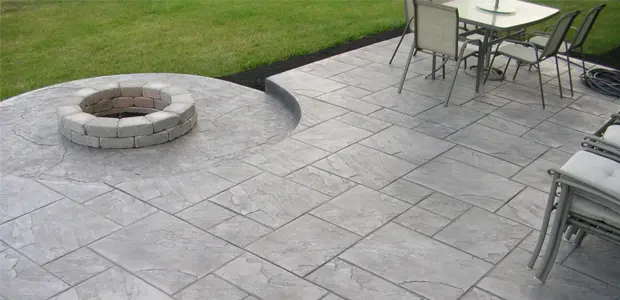
A concrete patio is one of the most durable and low-maintenance outdoor features you can add to your home. Whether it’s used for family gatherings, barbecues, or simply relaxing outdoors, proper care can help keep your patio looking great and performing well for decades. While concrete is built to withstand heavy use and changing weather, regular maintenance is essential—especially in Ontario’s climate, where freezing temperatures, snow, and rain can take a toll.
In this guide, we’ll walk you through simple yet effective ways to maintain your concrete patio throughout the year.
Why Concrete Patio Maintenance Matters
Concrete is strong, but it’s not indestructible. Dirt, moisture, UV rays, and freeze-thaw cycles can gradually affect its appearance and durability. Routine maintenance helps:
- Extend the lifespan of your patio
- Prevent cracks and surface damage
- Maintain its color and finish
- Improve safety by reducing slippery surfaces
- Protect your investment and property value
Spring: Inspect and Clean After Winter
Winter can leave behind dirt, salt residue, and minor damage.
1. Sweep Away Debris
Remove leaves, twigs, and accumulated dirt using a broom or leaf blower. This prevents moisture buildup and staining.
2. Wash the Surface
Use a garden hose or pressure washer on a low setting to clean away grime.
For stubborn stains:
- Mild dish soap and warm water
- Concrete cleaner for tougher stains
- Avoid harsh acidic cleaners that may damage decorative finishes
3. Check for Cracks
Inspect your patio for:
- Small surface cracks
- Chipped edges
- Areas where water pools
Repairing small cracks early prevents them from becoming larger problems.
Summer: Protect Against Heat and Stains
Summer is the busiest season for outdoor living.
Clean Spills Immediately
Food grease, drinks, barbecue oil, and fertilizer can stain concrete if left untreated.
Use:
- Warm water
- Mild detergent
- Soft-bristle brush
Avoid using wire brushes that can scratch decorative concrete.
Move Heavy Furniture Carefully
Dragging furniture can scratch decorative finishes or sealers.
Instead:
- Lift furniture when moving it
- Use rubber or felt pads under legs
Control Weeds
If your patio has expansion joints, weeds may begin growing between them.
Remove weeds early and refill damaged joints if necessary.
Fall: Prepare for Cold Weather
Before winter arrives, prepare your patio for freezing temperatures.
Remove Leaves Frequently
Wet leaves can stain concrete and encourage mold growth.
Sweep regularly throughout autumn.
Seal the Concrete
Applying a quality concrete sealer every 2–3 years helps protect against:
- Moisture
- Salt damage
- Oil stains
- UV fading
Decorative stamped or exposed aggregate concrete especially benefits from periodic sealing.
Winter: Protect Your Patio From Freeze-Thaw Damage
Ontario winters can be challenging for concrete surfaces.
Avoid Rock Salt
Traditional de-icing salt can damage concrete over time.
Instead, consider:
- Sand for traction
- Calcium magnesium acetate (CMA)
- Other concrete-safe de-icers
Remove Snow Carefully
Use:
- Plastic snow shovels
- Rubber-edged snow pushers
Avoid metal blades that may chip decorative surfaces.
Prevent Standing Water
Melting snow that refreezes inside small cracks can expand and worsen existing damage.
Keep drainage areas clear throughout winter.
Remove Stains Before They Become Permanent
Common patio stains include:
- Oil
- Rust
- Barbecue grease
- Leaves
- Mold
- Mildew
The sooner stains are cleaned, the easier they are to remove.
For oil stains:
- Absorb excess oil with kitty litter or baking soda.
- Apply a concrete degreaser.
- Scrub with a stiff nylon brush.
- Rinse thoroughly.
Reseal Decorative Concrete
If your patio features:
- Stamped concrete
- Colored concrete
- Exposed aggregate
Periodic resealing helps restore:
- Color
- Shine
- Water resistance
Most patios benefit from resealing every 2–3 years, depending on foot traffic and weather exposure.
Prevent Water Damage
Proper drainage is one of the biggest factors in extending your patio’s lifespan.
Check for:
- Standing water
- Clogged drains
- Poor grading around the patio
Water should always drain away from your home’s foundation.
Avoid Common Mistakes
Many homeowners unknowingly damage their concrete by:
- Using harsh chemicals
- Applying too much pressure with a pressure washer
- Ignoring small cracks
- Using metal snow shovels
- Skipping regular sealing
A little preventative maintenance goes a long way.
When Should You Call a Professional?
While basic cleaning is easy to handle, some issues require professional attention.
Consider contacting a concrete contractor if you notice:
- Large cracks
- Uneven settling
- Surface scaling
- Drainage problems
- Extensive discoloration
- Worn or peeling sealer
Professional repairs can restore both the appearance and structural integrity of your patio.
Final Thoughts
A well-maintained concrete patio can provide decades of beauty and functionality. By cleaning regularly, repairing small issues promptly, sealing the surface when needed, and protecting it during harsh winters, you’ll keep your outdoor space looking its best year after year.
If you’re considering a new concrete patio or need professional maintenance, resurfacing, or repairs, Solid Brothers Construction provides expert concrete solutions throughout the Greater Toronto Area. Our experienced team is committed to delivering durable, attractive outdoor spaces built to withstand Ontario’s changing seasons.
Frequently Asked Questions
How often should I seal my concrete patio?
Most concrete patios should be sealed every 2–3 years. High-traffic or decorative patios may require more frequent sealing.
Can I pressure wash my concrete patio?
Yes, but use a low to medium pressure setting to avoid damaging the surface or removing the protective sealer.
What is the best way to remove oil stains from concrete?
Use an absorbent material first, then apply a concrete degreaser, scrub with a nylon brush, and rinse thoroughly.
Can winter damage my concrete patio?
Yes. Freeze-thaw cycles, de-icing salts, and standing water can lead to cracks, scaling, and surface deterioration if the patio isn’t properly maintained.
How long does a concrete patio last?
With proper installation and routine maintenance, a quality concrete patio can last 30 years or more.